What Exercises Can I Do to Help with Hip Pain?
Find effective exercises to alleviate hip pain and improve mobility. Start strengthening your hips today.
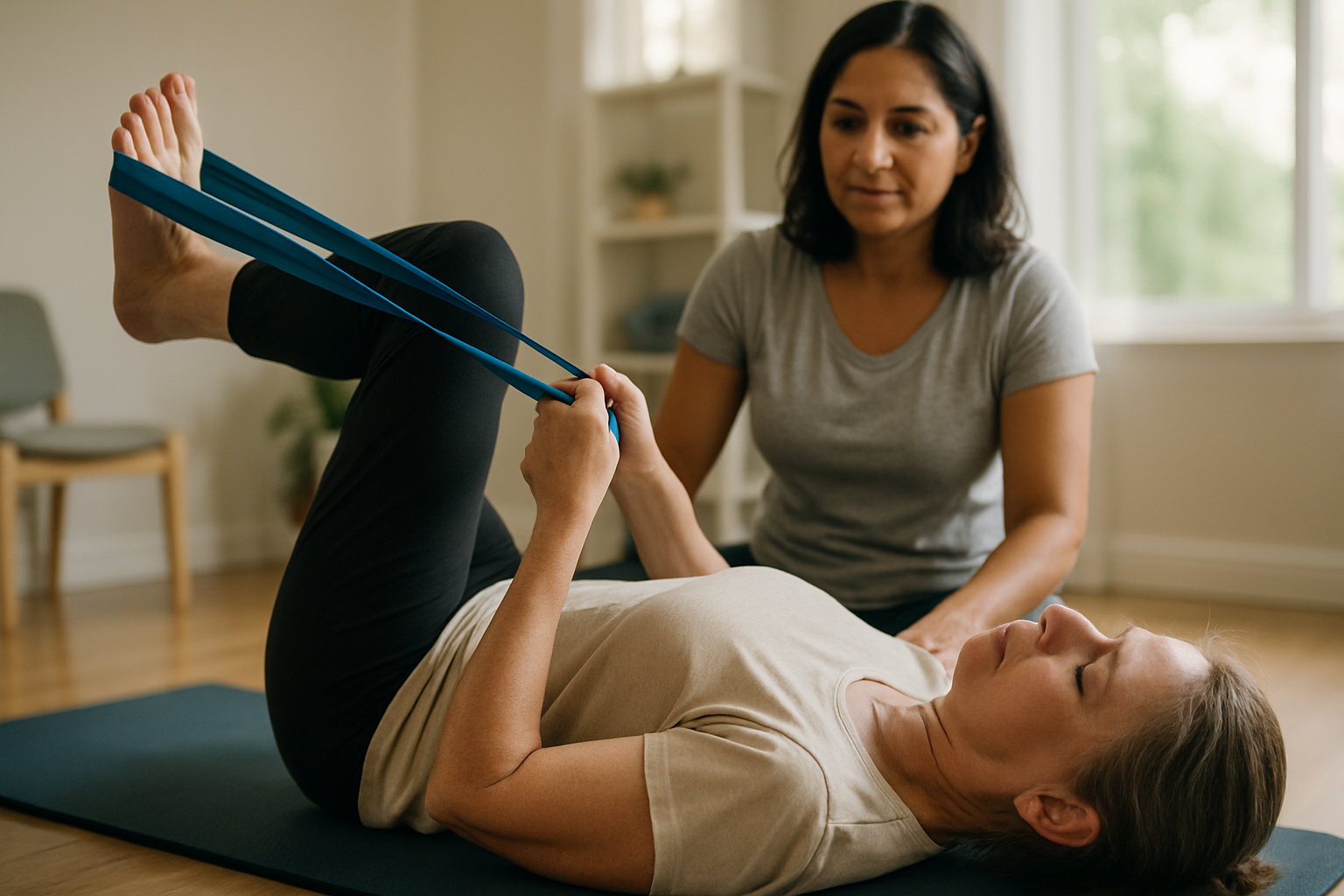
To help with hip pain, consider engaging in strengthening and mobility exercises such as clamshells, hip bridges, and gentle stretches like the figure-four stretch. These exercises can enhance hip function and alleviate discomfort.
What Are Effective Exercises for Hip Pain?
Engaging in specific exercises can significantly alleviate hip pain. Strengthening the muscles around the hip joint can provide support and reduce strain. Exercises like clamshells and hip bridges target key muscle groups effectively. A study published in the Journal of Orthopaedic & Sports Physical Therapy found that patients with hip issues who performed targeted exercises reported a 30% reduction in pain levels after just six weeks of consistent practice.
How Can I Strengthen My Hips at Home?
You can strengthen your hips at home with simple bodyweight exercises. For instance, a daily routine could include:
- Clamshells: 3 sets of 15-20 reps per side.
- Hip Bridges: 3 sets of 10-15 reps.
- Standing Side Leg Raises: 3 sets of 10-15 reps per side.
These exercises enhance muscle strength and stability around the hip joint. A consistent approach can yield noticeable improvements in as little as four weeks.
Related: Best Gym Exercises for Runner's Knee
Worked Example of a Hip Strengthening Routine
Let's say you decide to follow the routine outlined above for one month. If you perform the following:
- Clamshells: 15 reps per side, 3 sets, 5 days a week = 15 reps x 3 sets x 5 days = 225 repetitions per month.
- Hip Bridges: 10 reps, 3 sets, 5 days a week = 10 reps x 3 sets x 5 days = 150 repetitions per month.
- Standing Side Leg Raises: 10 reps per side, 3 sets, 5 days a week = 10 reps x 3 sets x 5 days x 2 sides = 300 repetitions per month.
Overall, by the end of the month, you will have completed 675 repetitions across these exercises, significantly contributing to your hip strength and stability.
What Stretches Can Help Relieve Hip Pain?
Stretching can greatly improve hip mobility and relieve pain. The following stretches are particularly effective:
- Figure-Four Stretch: Hold for 20-30 seconds on each side.
- Hip Flexor Stretch: Hold for 20-30 seconds on each side.
- Butterfly Stretch: Hold for 20-30 seconds.
Incorporating these stretches into your routine can increase flexibility and reduce tightness in the hip area.
Related: Best Strength Exercises for Hip Impingement
| Exercise | Purpose | Reps/Sets | |----------------------|-------------------------------|-----------------------------| | Clamshells | Strengthen hip abductors | 3 sets of 15-20 per side | | Hip Bridges | Strengthen glutes and core | 3 sets of 10-15 | | Figure-Four Stretch | Improve hip flexibility | 20-30 seconds per side | | Hip Flexor Stretch | Alleviate tightness | 20-30 seconds per side | | Butterfly Stretch | Increase hip mobility | 20-30 seconds |
Step-by-Step Warm-Up Routine
Before starting your exercises, it’s essential to warm up properly to prevent injury. Here’s a quick warm-up routine you can follow:
- March in Place: 2 minutes to get your heart rate up.
- Leg Swings: 10 swings per leg, forward and backward.
- Hip Circles: 10 circles in each direction.
- Gentle Lunges: 5 lunges per leg, holding each for a couple of seconds.
- Arm Circles: 10 circles forward and 10 backward to loosen up the upper body.
When Should I See a Clinician for Hip Pain?
If hip pain persists despite doing these exercises, it may be a sign of a more serious condition. You should consult a clinician if:
- Pain remains after two weeks of self-guided rehabilitation.
- You experience significant swelling or bruising.
- Pain is accompanied by fever or inability to move the hip.
While LegLike can assist with guided training, a physical therapist can provide a thorough assessment and tailored rehab plan for more complex issues.
Related: Best Knee Strengthening Exercises for Torn Meniscus
Common Mistakes to Avoid
When engaging in exercises for hip pain, avoid the following common mistakes:
- Not Maintaining Proper Form: Poor form during exercises can lead to further injury. Ensure your knees are aligned with your toes during squats and bridges.
- Skipping Warm-Ups: Failing to warm up can increase the risk of strains. Always allocate time for a warm-up to prepare your muscles.
- Overdoing It: Increasing intensity or repetitions too quickly can cause soreness or injury. Gradually increase your workload.
- Neglecting Rest Days: Overworking your muscles can hinder recovery. Ensure you include rest days in your routine to allow for muscle repair.
How Can LegLike Assist with Hip Pain Rehab?
LegLike offers an AI workout generator tailored to your specific needs. You can access a mobility assessment that evaluates hip movement quality and receive personalized recommendations. For example, if you score low on hip flexibility, LegLike can suggest targeted stretches to improve your range of motion. This tool can complement your at-home exercises and help track your progress effectively.
Conclusion
Incorporating targeted exercises and stretches into your routine can greatly assist in managing and alleviating hip pain. By focusing on strengthening and flexibility, you can enhance your overall hip function. Be mindful of your body's signals and seek professional help if necessary. With commitment and the right approach, you can improve your hip health and mobility effectively.
Related: LegLike Blog
Want to see how this works in practice? Try LegLike — AI-guided lower-body workouts, mobility assessment and rehab plans in one app.
Frequently asked questions
What is the best exercise for hip pain relief?+
Clamshells are often recommended for hip pain relief as they strengthen the hip abductors, which can alleviate strain on the hip joint.
How often should I perform hip exercises?+
Aim for at least three times a week. Consistency is key to building strength and flexibility in the hip region.
When should I see a doctor for hip pain?+
If hip pain persists for more than two weeks despite self-care, or if you experience swelling, bruising, or fever, it’s advisable to consult a clinician.
Can stretching help with hip pain?+
Yes, stretching can improve flexibility and reduce tightness in the hips, which may alleviate pain.
How can LegLike help with my hip rehab?+
LegLike provides a personalized mobility assessment and tailored workout plans focused on lower-body strength and flexibility, aiding in your rehab journey.
Build your program with LegLike
Personalized lower-body strength, mobility and rehab plans, powered by AI. Free to start.
Get Started Free