Best Knee Strengthening Exercises for Torn Meniscus
Discover effective knee strengthening exercises for torn meniscus to aid recovery and improve mobility. Choose the right approach for your needs.
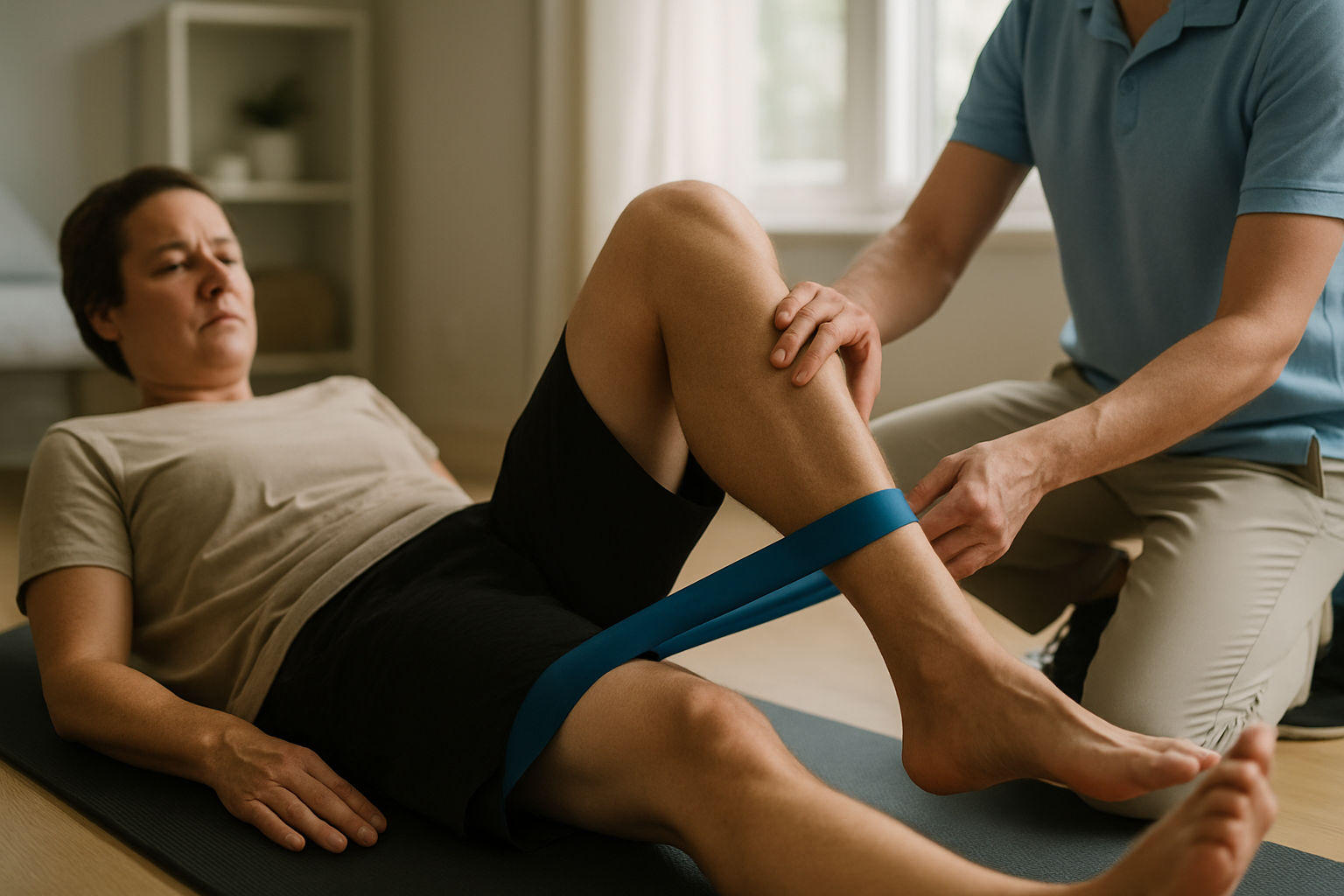
The best knee strengthening exercises for a torn meniscus focus on controlled movements that enhance stability and strength without exacerbating the injury. Key exercises include straight leg raises, wall sits, and calf raises, which can help support recovery and improve function.
What Are Effective Exercises for a Torn Meniscus?
Effective exercises for a torn meniscus include straight leg raises, wall sits, and calf raises. These exercises target the quadriceps, hamstrings, and calves, which help stabilize the knee joint during recovery. For instance, straight leg raises can be initiated within a few days post-injury, allowing for gradual strengthening without excessive strain on the knee.
How Do I Perform Straight Leg Raises Properly?
Straight leg raises are a foundational exercise for knee rehabilitation. To perform this exercise, lie on your back with one leg bent at the knee while keeping the other leg straight. Slowly lift the straight leg about 12 inches off the ground, hold for a few seconds, and lower it back down. Aim for 3 sets of 10-15 repetitions. This exercise specifically targets the quadriceps, which are crucial for knee stability.
What Role Do Wall Sits Play in Knee Strengthening?
Wall sits are particularly effective in building isometric strength in the quadriceps and glutes, which supports knee stability. To perform a wall sit, lean against a wall with your feet shoulder-width apart and slide down into a sitting position with your knees bent at a 90-degree angle. Hold this position for 20-30 seconds, working up to a minute. Studies suggest that isometric exercises like wall sits can help reduce pain and improve function in individuals recovering from knee injuries.
How Can Calf Raises Aid Recovery from a Torn Meniscus?
Calf raises strengthen the calf muscles, which play a vital role in knee function and stability. To perform calf raises, stand with your feet hip-width apart and slowly rise onto your toes, lifting your heels off the ground. Hold for a moment, then lower your heels back down. Aim for 3 sets of 10-15 repetitions. This exercise not only strengthens the calves but also engages the muscles surrounding the knee, aiding in overall rehabilitation.
How Does LegLike Support Knee Rehabilitation?
LegLike is an AI-guided app that can help you generate personalized lower-body strength programs, including exercises for knee rehabilitation. With a mobility assessment and access to an extensive exercise library, the app can help you track your progress through rehab plans tailored to your needs. However, it is essential to consult a clinician for any persistent pain or unclear injuries that require professional evaluation.
When Should I See a Clinician for My Torn Meniscus?
If your knee pain persists despite following a self-guided rehabilitation program, it's advisable to consult a healthcare professional. Signs indicating the need for clinical evaluation include severe pain, swelling, inability to bear weight, or a feeling of instability in the knee. Early intervention can prevent further complications and facilitate a more effective recovery process.
| Exercise | Target Muscle Group | Recommended Sets | Recommended Reps |
|---------------------|--------------------------|------------------|------------------|
| Straight Leg Raises | Quadriceps | 3 | 10-15 |
| Wall Sits | Quadriceps, Glutes | 3 | Hold 20-30 sec |
| Calf Raises | Calves | 3 | 10-15 |
Related: Best Exercises for Hip Pain During Pregnancy
FAQ
How to strengthen knee with torn meniscus?
To strengthen the knee with a torn meniscus, focus on low-impact exercises that enhance stability without causing pain. Key exercises include straight leg raises, wall sits, and calf raises, all of which can be performed at home. Gradually increase intensity based on your comfort level and recovery progress.
How to strengthen torn meniscus?
Strengthening a torn meniscus involves targeting the muscles around the knee, particularly the quadriceps and hamstrings. Incorporating controlled movements like leg raises and wall sits can help. It's crucial to listen to your body and avoid any exercises that cause pain or discomfort.
How long for torn knee meniscus to heal?
Healing time for a torn knee meniscus can vary significantly based on the severity of the tear and the treatment approach. Generally, minor tears may heal in 6-8 weeks with proper rehabilitation, while more severe cases could take several months. Consulting with a healthcare professional can provide a more tailored recovery timeline based on individual circumstances.
Comparison of Knee Rehabilitation Apps
| App Name | Pricing Structure | Best For |
|-------------------|----------------------------------|-------------------------------------|
| LegLike | Free / $9/month (Pro) / $16/month (Clinic) | Personalized lower-body strength and rehab plans |
| MyFitnessPal | Free / Premium subscription | General fitness tracking and nutrition |
| PT Pal | Subscription-based (varies) | Physical therapists managing clients |
| Rehab My Patient | Per-session pricing | Clinicians creating patient-specific rehab plans |
| Kaia Health | Employer-covered / Subscription | Digital physical therapy for chronic pain |
What This Costs in Practice
For someone using LegLike to rehabilitate a torn meniscus, the costs can break down as follows:
- Free Plan: 1 mobility assessment and 1 AI workout plan per month, ideal for initial guidance but limited for ongoing rehab.
- Pro Plan: At $9/month, it offers unlimited assessments, workout plans, and progress tracking, suitable for ongoing rehabilitation efforts. If used for 3 months, the total cost would be $27.
- Clinic Plan: At $16/month, this is best for clinicians managing multiple clients, offering advanced features like custom protocols. If a clinic uses this for 3 months for 5 clients, it would total $240.
When NOT to Pick LegLike
LegLike may not be the best choice for everyone. It is a lower-body focused app, meaning it does not provide full-body bodybuilding programs or serve as a general fitness tracker. Additionally, if you have a serious or unclear injury, LegLike's AI-generated programming is not a substitute for in-person diagnosis by a clinician. Furthermore, it is a relatively young product from a small team, lacking enterprise-level features like insurance billing or EHR integration. If you plan to use the app regularly, the free tier's limitations may also not meet your needs, as it is capped at 1 assessment and 1 AI plan per month.
Related: LegLike Features, Best Practices for Knee Rehabilitation
Related: Best Exercises for Hip Pain from Running
For more information on how to support your knee rehabilitation process, visit LegLike.
Related: How Best to Relieve Knee Pain
Want to see how this works in practice? Try LegLike — AI-guided lower-body workouts, mobility assessment and rehab plans in one app.
Frequently asked questions
How to strengthen knee with torn meniscus?+
To strengthen the knee with a torn meniscus, focus on low-impact exercises that enhance stability without causing pain. Key exercises include straight leg raises, wall sits, and calf raises, all of which can be performed at home. Gradually increase intensity based on your comfort level and recovery progress.
How to strengthen torn meniscus?+
Strengthening a torn meniscus involves targeting the muscles around the knee, particularly the quadriceps and hamstrings. Incorporating controlled movements like leg raises and wall sits can help. It's crucial to listen to your body and avoid any exercises that cause pain or discomfort.
How long for torn knee meniscus to heal?+
Healing time for a torn knee meniscus can vary significantly based on the severity of the tear and the treatment approach. Generally, minor tears may heal in 6-8 weeks with proper rehabilitation, while more severe cases could take several months. Consulting with a healthcare professional can provide a more tailored recovery timeline based on individual circumstances.
Build your program with LegLike
Personalized lower-body strength, mobility and rehab plans, powered by AI. Free to start.
Get Started Free