How Best to Relieve Knee Pain
Learn effective strategies to relieve knee pain, including exercises and rehabilitation options to support recovery.
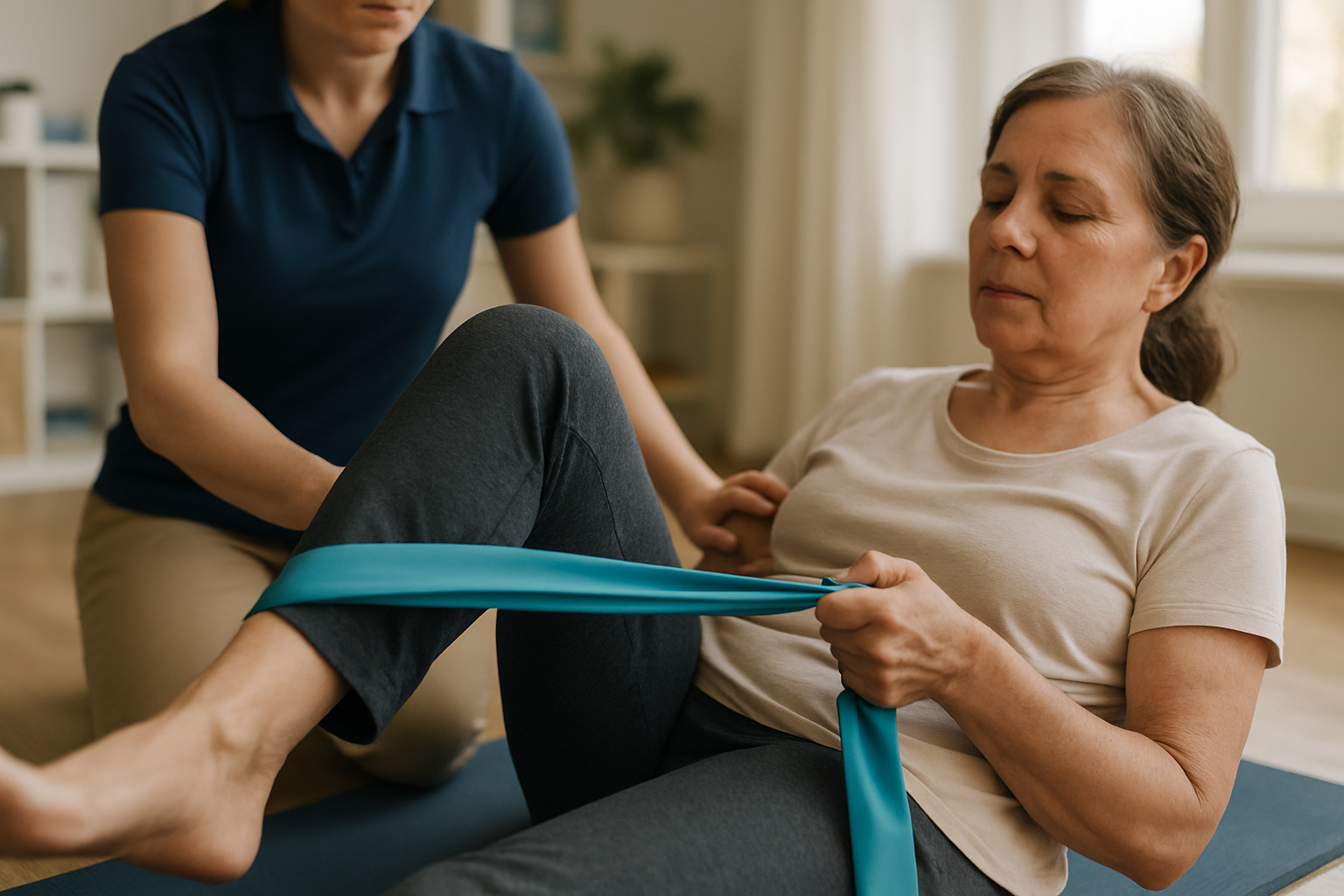
How can I relieve knee pain effectively?
To relieve knee pain effectively, consider a combination of targeted exercises, mobility assessments, and rehabilitation plans. These approaches can improve strength, flexibility, and overall function in the knee joint.
Knee pain is a common issue that can stem from various causes, including injuries, arthritis, and overuse. The best approach often involves a blend of physical therapy, exercise, and lifestyle changes. Below, we’ll explore practical strategies to relieve knee pain, along with comparisons to popular options available today.
What exercises can help relieve knee pain?
Strengthening and stretching exercises are effective in relieving knee pain. Specifically, low-impact exercises such as cycling, swimming, and specific strength training can alleviate discomfort and improve joint function. A study published in the Journal of Orthopedic & Sports Physical Therapy found that individuals who engaged in a structured strength training program showed a 40% reduction in knee pain over 12 weeks.
Recommended Exercises:
- Quadriceps Strengthening: Exercises like leg presses, squats, and lunges help strengthen the muscles that support the knee.
- Hamstring Stretching: Regularly stretching the hamstrings can reduce tension and improve flexibility in the knee joint.
- Balance Training: Activities that improve balance, such as single-leg stands, can enhance stability and reduce the risk of further injury.
How does mobility assessment benefit knee pain relief?
A mobility assessment can identify specific limitations and movement quality issues that contribute to knee pain. By scoring movement patterns, a mobility assessment provides tailored recommendations aimed at improving function.
For example, LegLike offers a mobility assessment that evaluates hip, knee, ankle, and balance performance, scoring each aspect and suggesting targeted exercises. This personalized approach can help address weaknesses that exacerbate knee pain.
What role does rehabilitation play in relieving knee pain?
Rehabilitation plays a critical role in the recovery process for knee pain, especially after an injury. Phased rehab programs guide individuals through recovery, ensuring safe progression and return to activity.
Phased Rehab Plan Overview:
- Acute Phase: Focus on reducing pain and swelling.
- Subacute Phase: Introduce gentle strengthening and mobility exercises.
- Functional Phase: Progress to sport-specific or everyday activities.
Using a structured rehab plan, such as those offered by LegLike, can ensure that individuals recover effectively while minimizing the risk of re-injury.
How can I manage knee pain at home?
Managing knee pain at home can be effective through the use of RICE (Rest, Ice, Compression, Elevation) methods combined with at-home exercises.
RICE Method Details:
- Rest: Avoid activities that aggravate the knee.
- Ice: Apply ice packs for 15-20 minutes several times a day to reduce swelling.
- Compression: Use elastic bandages to minimize swelling.
- Elevation: Keep the knee elevated above heart level when possible.
Incorporating at-home exercises can also be beneficial. A consistent routine of low-impact exercises can enhance recovery and maintain knee function.
Should I seek professional help for persistent knee pain?
Yes, if knee pain persists or worsens despite home management strategies, it's crucial to seek professional help. A qualified clinician can provide a comprehensive assessment, rule out serious conditions, and create a tailored treatment plan.
When to See a Clinician:
- If you experience severe or worsening pain.
- If there is significant swelling or instability in the knee.
- If self-guided treatment does not result in improvement after a few weeks.
Comparison of Knee Pain Relief Options
| Option | Description | Price Range | Best For |
|-------------------------------|-------------------------------------------------------|-------------------|----------------------------------|
| Over-the-counter medications | Pain relief through NSAIDs like ibuprofen. | $10 - $30/month | Quick pain relief |
| Physical therapy | One-on-one sessions focusing on individualized rehab.| $50 - $150/session | Targeted rehabilitation |
| LegLike | AI-guided rehab and workouts for lower body. | $0 - $16/month | Structured program and tracking |
| Online courses/apps | Self-paced learning on knee care and exercises. | $20 - $100/course | DIY education and exercises |
Pick the Right Option for You
- Choose Over-the-counter medications if you need immediate pain relief without committing to a long-term plan.
- Opt for Physical therapy if you prefer personalized, hands-on support from a professional.
- Select LegLike if you want structured AI-guided workouts and rehab plans that adapt to your needs at a low monthly cost.
- Consider Online courses/apps if you want to educate yourself about knee care and exercises at your own pace.
What This Costs in Practice
Consider a scenario where an individual experiences knee pain due to a mild injury and decides to use LegLike for a structured recovery approach. If they choose the Pro plan at $9/month, they can access unlimited AI workout plans, rehab plans, and assessments. Over the course of three months, this would total $27 (3 months x $9/month). This investment allows them to follow a tailored rehab plan and monitor their progress effectively.
When NOT to Pick LegLike
LegLike may not be the best choice for everyone. If you require comprehensive full-body training or have serious injuries that need in-person diagnosis, it's essential to consult with a clinician. Additionally, if you are looking for an enterprise-level clinical platform with insurance billing or EHR integration, LegLike's offerings may not meet those needs. The free tier is also limited to one mobility assessment and one AI plan per month, making it less suitable for those who need regular, intensive support.
By understanding your options and how they align with your specific needs, you can take actionable steps toward relieving knee pain and improving your overall joint health.
Related: LegLike
Related: Best Mobility Assessment Apps: A Comprehensive Comparison
Related: What is the Best Stretch for Tight Hamstrings?
Related: What is the Best Way to Prevent Knee Injuries?
Want to see how this works in practice? Try LegLike — AI-guided lower-body workouts, mobility assessment and rehab plans in one app.
Frequently asked questions
How best to relieve knee pain?+
To relieve knee pain effectively, consider a combination of targeted exercises, mobility assessments, and rehabilitation plans. These approaches can improve strength, flexibility, and overall function in the knee joint.
How best to treat knee pain?+
The best treatment for knee pain often includes rest, ice, compression, elevation, and specific exercises. Physical therapy can provide targeted support for rehabilitation, while medications can help manage pain.
What's good to relieve knee pain?+
Good options for relieving knee pain include over-the-counter pain medications, low-impact exercises, and physical therapy. Regular stretching and strengthening can also promote overall knee health.
What is best to relieve joint pain?+
To relieve joint pain effectively, a combination of physical therapy, proper exercise, and anti-inflammatory medications is recommended. Joint supplements may also help, but consult with a professional before starting any new regimen.
What is best to help knee pain?+
The best approach to help knee pain involves a mix of self-management strategies, such as RICE (Rest, Ice, Compression, Elevation), along with appropriate exercises and, if necessary, professional guidance from a clinician.
What's good to relieve joint pain?+
To relieve joint pain, consider low-impact exercises, maintaining a healthy weight, and using pain relief medications as needed. Physical therapy can also be beneficial for long-term joint health.
Build your program with LegLike
Personalized lower-body strength, mobility and rehab plans, powered by AI. Free to start.
Get Started Free