Best Exercises for Hip Pain During Pregnancy
Explore effective exercises for managing hip pain during pregnancy, featuring practical approaches and alternatives to enhance comfort and mobility.
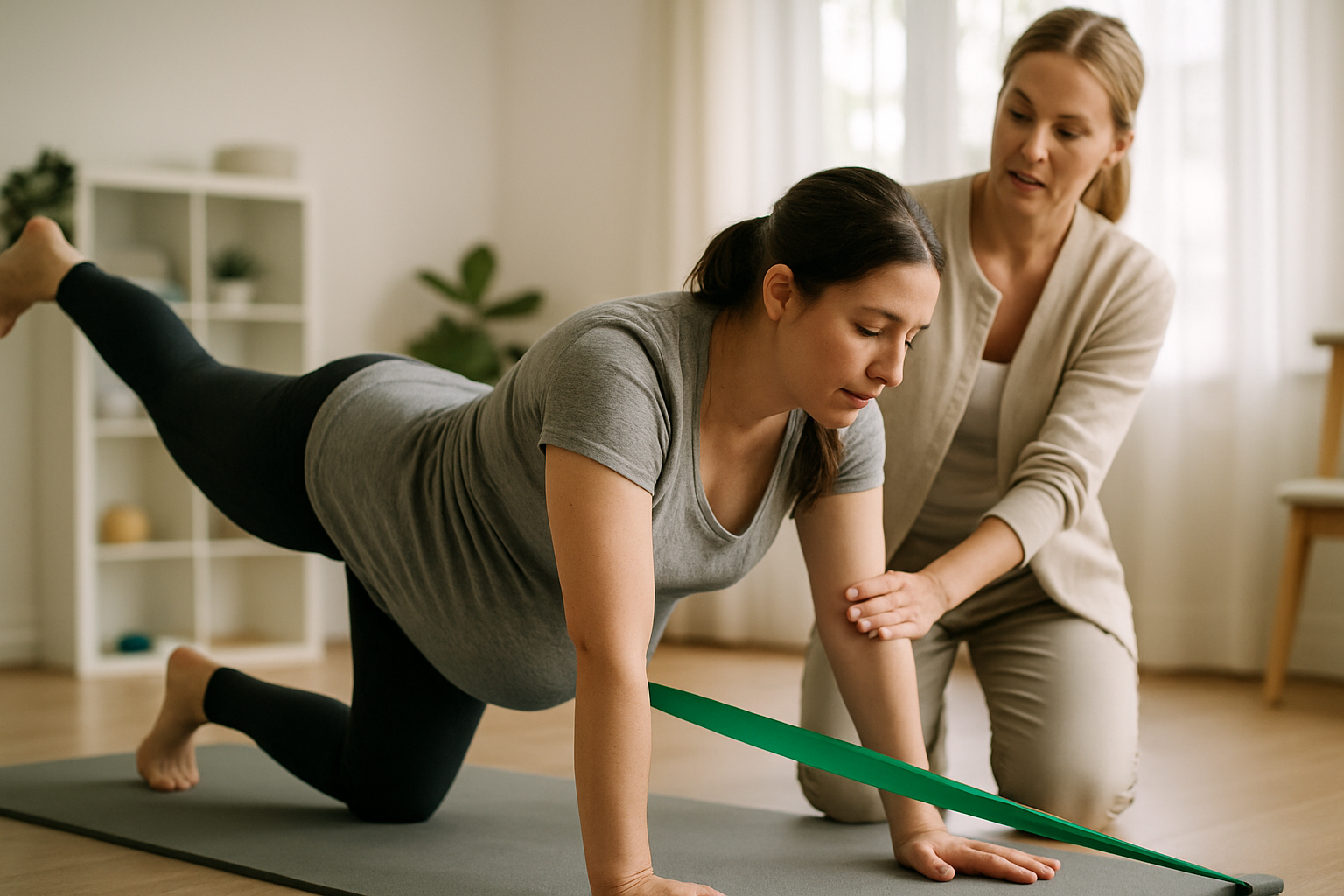
To manage hip pain during pregnancy, focus on low-impact exercises that strengthen the surrounding muscles and improve flexibility. Activities like pelvic tilts, glute bridges, and modified squats can effectively alleviate discomfort.
What Causes Hip Pain During Pregnancy?
Hip pain during pregnancy is primarily caused by hormonal changes and physical stress on the body. As the body prepares for childbirth, the hormone relaxin increases, leading to a loosening of ligaments and joints, particularly in the pelvis. This can result in discomfort as the body adapts to the growing baby. In fact, studies indicate that approximately 50-70% of pregnant women report some form of pelvic pain.
What Are the Best Exercises for Hip Pain During Pregnancy?
The best exercises for hip pain during pregnancy include pelvic tilts, side-lying leg lifts, and hip flexor stretches. Each of these exercises targets specific muscle groups that support the hips and pelvis, helping to alleviate pain and improve mobility. For example, pelvic tilts can help strengthen the lower back and abdominal muscles, effectively reducing tension in the hip area.
Sample Exercises
| Exercise | Description | Frequency | |-------------------------|-----------------------------------------------------------------------------|----------------------| | Pelvic Tilts | Lie on your back, knees bent, and gently tilt your pelvis upward. Hold for 5 seconds, then relax. | 10-15 reps, 3 times/week | | Side-Lying Leg Lifts | Lie on your side with legs straight, lift the top leg slowly, maintaining a straight line. | 10-15 reps per side, 3 times/week | | Hip Flexor Stretch | Kneel on one knee and push your hips forward gently to stretch the hip flexor of the kneeling leg. | Hold for 20-30 seconds, 3 times per side |
Worked Example
To illustrate how effective these exercises can be, let’s consider a pregnant woman named Sarah. Sarah is in her second trimester and experiences moderate hip pain. After incorporating the exercises listed above into her routine, she tracks her progress over a month:
- Week 1: Sarah performs pelvic tilts and side-lying leg lifts 3 times a week. By the end of the week, she notices a slight reduction in her hip discomfort, rating it as a 6 out of 10.
- Week 2: She continues with the same frequency but adds hip flexor stretches. After this week, she rates her pain as a 5 out of 10.
- Week 3: Sarah increases her pelvic tilts to 15 reps and adds a glute bridge to her routine. She feels stronger and rates her pain as a 4 out of 10.
- Week 4: By maintaining her routine and focusing on her form, Sarah’s discomfort decreases to a 2 out of 10, allowing her to engage in daily activities with greater ease.
This example demonstrates how consistent exercise can lead to a significant decrease in hip pain over the course of a month.
How Can I Use LegLike for Hip Pain During Pregnancy?
LegLike offers a personalized approach to lower-body workouts through its AI-generated plans. You can access mobility assessments, tailored workout plans, and exercises focused on hip and lower body strength. While LegLike provides valuable guidance, it’s crucial to consult with a healthcare professional for persistent or severe pain. This ensures that any exercise plan is safe and effective for your specific condition.
What Other Options Are Available for Hip Pain Relief?
In addition to exercises, other options for relieving hip pain during pregnancy include physical therapy, warm baths, and supportive pillows. Physical therapy can offer tailored treatments based on individual needs, while warm baths can help soothe sore muscles. Supportive pillows can improve comfort during rest, particularly in the later stages of pregnancy when hip discomfort is often more pronounced.
Comparing Options
| Option | Description | Effectiveness | Cost Range | |-----------------------|---------------------------------------------------|-----------------|-------------------------| | Exercises | Self-guided, focus on hip mobility and strength | Effective | Free to low cost (home) | | Physical Therapy | Professional guidance tailored to individual needs| Highly effective | $50 - $150/session | | Warm Baths | Relaxation and muscle relief | Moderately effective | Cost of utilities (variable) | | Supportive Pillows | Improved sleep and comfort | Moderately effective | $20 - $100 |
Comparison Table of Apps for Hip Pain Management
| App Name | Target User | Features | Pricing Structure | |-------------------|--------------------------------------------------|--------------------------------------------------|----------------------------------| | LegLike | Individuals seeking lower-body strength programs | AI workout generator, mobility assessments, rehab plans | Free, $9/month (Pro), $16/month (Clinic) | | MyFitnessPal | General fitness users | Calorie tracking, exercise logging | Free with premium subscription | | PT Timer | Physical therapy patients | Exercise timers, reminders | Free, one-time purchase | | Sworkit | All fitness levels | Customizable workout plans, video demonstrations | Subscription tiers available |
What This Costs in Practice
For a pregnant woman experiencing hip pain, she might choose to use LegLike for tailored guidance. If she opts for the Pro plan at $9/month, she can access unlimited AI workout plans, mobility assessments, and progress tracking. Over a three-month period, this would total $27, providing her with ongoing support and resources to manage her hip pain effectively.
Common Mistakes
When performing exercises for hip pain during pregnancy, it’s easy to make mistakes that can lead to further discomfort or injury. Here are some common errors:
- Incorrect Form: Not maintaining proper alignment can strain the hips and back, exacerbating pain. Always focus on maintaining a neutral spine.
- Overexertion: Pushing too hard or doing too many repetitions can lead to fatigue and increased pain. Start slow and gradually increase intensity.
- Neglecting Warm-ups: Skipping warm-up exercises may result in stiffness and a higher risk of injury. Always warm up with gentle movements before starting your routine.
- Ignoring Pain Signals: Continuing to exercise despite pain can lead to injury. It’s important to listen to your body and modify or stop exercises if pain increases.
When Should I See a Clinician for Hip Pain?
If hip pain during pregnancy becomes severe or unmanageable, it's essential to seek professional help. Persistent pain that interferes with daily activities or worsens despite self-guided treatment should prompt a visit to a healthcare provider. Conditions like pelvic girdle pain or sciatica may require specialized care from a physical therapist or obstetrician. Early intervention can prevent complications and enhance overall comfort during pregnancy.
Conclusion
Managing hip pain during pregnancy involves a blend of tailored exercises, supportive strategies, and when necessary, professional guidance. Using accessible exercises, such as pelvic tilts and side-lying leg lifts, can significantly improve comfort and mobility. Always listen to your body and consult a clinician if pain persists, ensuring a safe and healthy pregnancy experience.
By integrating these strategies, you can find effective relief from hip pain, enhancing your overall well-being during this critical time. Consider exploring tools like LegLike for guided support tailored to your needs, but remember that professional advice is vital for serious concerns.
Related: Best Exercises for Hip Pain from Running
Related: LegLike
Related: How Best to Relieve Knee Pain
Want to see how this works in practice? Try LegLike — AI-guided lower-body workouts, mobility assessment and rehab plans in one app.
Frequently asked questions
How can I ease hip pain in pregnancy?+
To ease hip pain during pregnancy, focus on gentle exercises like pelvic tilts and stretches to strengthen surrounding muscles. Maintaining good posture and using supportive pillows can also help.
What can you take for hip pain while pregnant?+
While many over-the-counter pain relievers are off-limits during pregnancy, options like acetaminophen may be safe. Always consult your healthcare provider before taking any medication.
Does walking help hip pain during pregnancy?+
Walking can be beneficial for hip pain during pregnancy as it promotes circulation and strengthens the hip and leg muscles. However, it's important to avoid excessive strain and choose flat, even surfaces.
Build your program with LegLike
Personalized lower-body strength, mobility and rehab plans, powered by AI. Free to start.
Get Started Free