Best Strength Exercises for Hip Impingement
Explore effective strength exercises for hip impingement to enhance mobility and reduce discomfort. Get informed and take action.
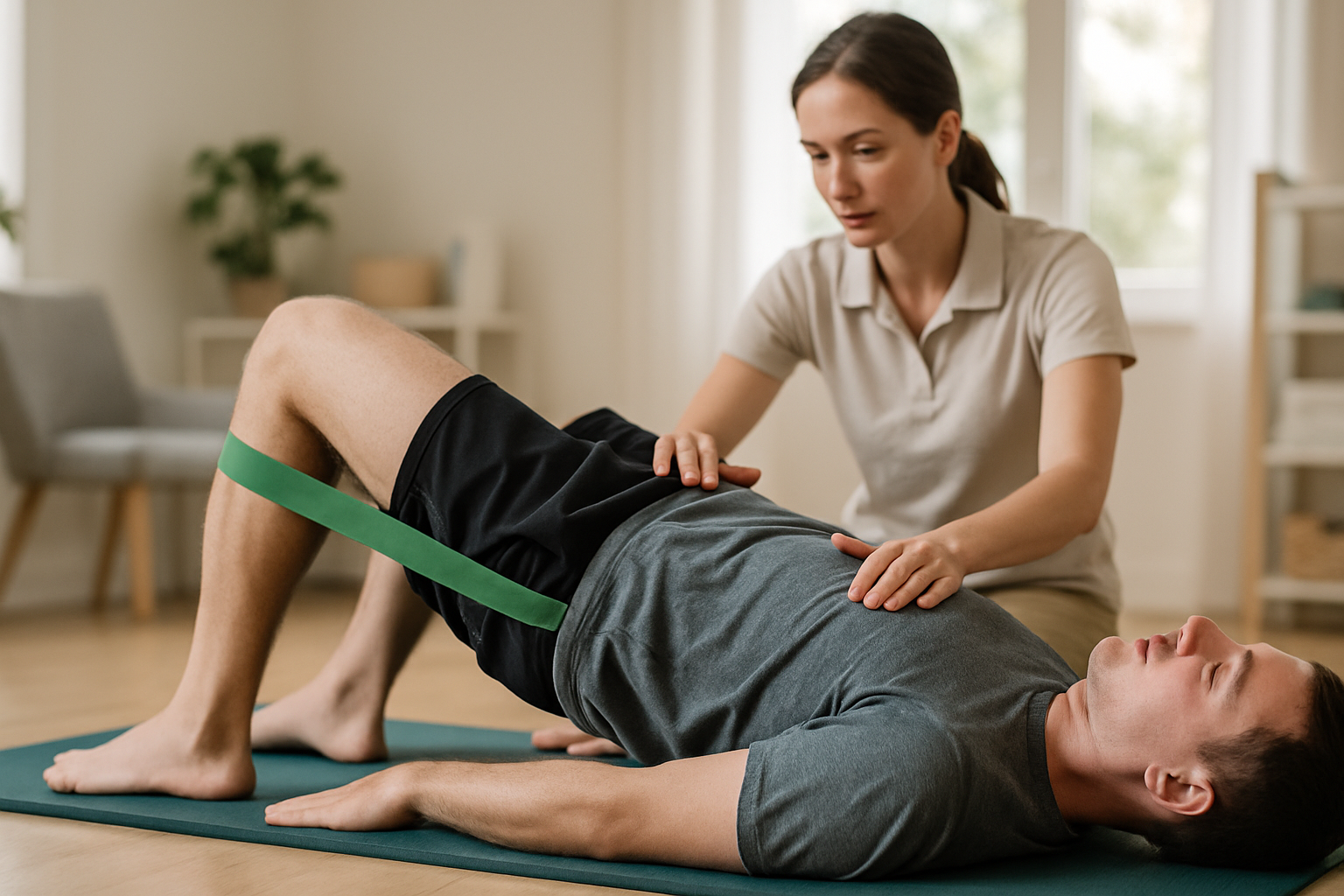
The best strength exercises for hip impingement focus on improving hip stability, strength, and mobility. Key exercises include hip flexor stretches, clamshells, and bridges, which can alleviate symptoms and enhance function.
What Are the Best Exercises for Hip Impingement?
The best exercises for hip impingement aim to strengthen the hip muscles while improving flexibility and range of motion. Effective exercises include clamshells, hip flexor stretches, and bridges. According to a 2018 study published in the Journal of Orthopaedic & Sports Physical Therapy, targeted strength training and mobility work can significantly reduce pain and improve function in individuals with hip impingement.
1. Clamshells
Clamshells are a widely recommended exercise for hip impingement. This exercise targets the gluteus medius, an important muscle for hip stability. To perform a clamshell, lie on your side with your knees bent at a 90-degree angle, keeping your feet together. Raise your top knee while keeping your feet in contact, then lower it back down. Aim for 3 sets of 10-15 repetitions on each side. This exercise can improve hip stability and reduce pain by strengthening the surrounding muscles.
2. Hip Flexor Stretch
The hip flexor stretch is crucial for individuals with hip impingement, as tight hip flexors can exacerbate symptoms. To stretch your hip flexors, kneel on one knee, with the other foot in front, creating a 90-degree angle at both knees. Push your hips forward gently, keeping your back straight, until you feel a stretch in the front of your hip. Hold this position for 20-30 seconds, then switch sides. Regularly performing this stretch can enhance flexibility and reduce tension in the hip flexors.
3. Bridges
Bridges are effective for strengthening both the glutes and the lower back, which can help support proper hip mechanics. To perform a bridge, lie on your back with your knees bent and feet flat on the floor. Lift your hips towards the ceiling until your body forms a straight line from your shoulders to your knees. Hold for a few seconds before lowering back down. Perform 3 sets of 10-12 repetitions. This exercise can help stabilize the pelvis and reduce pressure on the hip joint.
How Can LegLike Help with Hip Impingement Exercises?
LegLike offers a personalized approach to hip impingement rehab by providing tailored workout plans based on your mobility assessment. The app generates specific strength exercises, tracks your progress, and adapts workouts based on your needs. With an extensive library of over 50 exercises, it supports your journey to recovery. However, it's important to note that LegLike is not a substitute for in-person diagnosis or treatment. If your symptoms worsen or do not improve, consulting a clinician is essential.
What Other Exercises Should Be Considered?
In addition to the primary exercises mentioned, consider incorporating these effective movements into your routine:
| Exercise | Targeted Muscles | Repetitions | |------------------------|------------------------|----------------------| | Side-Lying Leg Raises | Gluteus Medius | 3 sets of 10-15 | | Standing Hip Abduction | Hip Abductors | 3 sets of 10-12 | | Wall Sits | Quadriceps, Glutes | Hold for 30-60 sec |
Related: Best Knee Strengthening Exercises for Torn Meniscus
These exercises can provide additional support for hip stability and strength, further enhancing your recovery from hip impingement.
Related: Best Exercises for Hip Pain During Pregnancy
How to Integrate These Exercises into Your Routine?
To effectively integrate these exercises into your routine, aim for 2-3 sessions per week, ensuring proper warm-up and cool-down periods. Start with lower repetitions and gradually increase as your strength and comfort improve. Monitor your pain levels during and after exercises, adjusting intensity as needed. This gradual approach helps prevent exacerbating symptoms while promoting recovery.
When Should You Consult a Clinician?
While exercises like clamshells and bridges can be helpful for hip impingement, it's essential to seek professional guidance if your symptoms persist or worsen. A clinician can provide an accurate diagnosis and tailored treatment plan, which may include physical therapy, medication, or further assessments. If you experience severe pain, swelling, or limited mobility, do not hesitate to consult a healthcare professional for a comprehensive evaluation.
Comparison of Strength Training Apps
To help you explore options beyond LegLike, here’s a comparison of several fitness apps that can assist with strength training and injury rehabilitation:
| App Name | Pricing Structure | Best Suited For | |-------------------|------------------------------|----------------------------------------------------------| | LegLike | Free/Pro/Clinic ($0/$9/$16) | Individuals seeking tailored hip-strengthening programs | | MyFitnessPal | Free with premium options | General fitness tracking and diet management | | PT Pal | Subscription-based | Physical therapists managing multiple clients | | Nike Training Club| Free with in-app purchases | Fitness enthusiasts looking for a range of workouts |
Related: Best Exercises for Hip Pain from Running
What This Costs in Practice
For an individual with hip impingement using LegLike, a practical scenario might include:
- Free Tier: Accessing 1 mobility assessment and 1 AI workout plan per month at no cost.
- Pro Tier: For more regular use, subscribing to Pro at $9 per month for unlimited access to assessments and workout plans, which can support ongoing rehabilitation.
- Clinic Tier: If a clinician is managing multiple clients, the Clinic tier at $16 per month provides advanced features for multi-client management and custom protocols.
This breakdown illustrates how individuals can utilize LegLike effectively based on their needs and how costs can vary depending on the chosen plan.
When NOT to Pick LegLike
While LegLike offers valuable resources for those dealing with hip impingement, it may not be the best choice for everyone. If you are experiencing severe injuries that require in-person diagnosis, or if you need comprehensive features like insurance billing or EHR integration, LegLike may not meet those needs, as it is primarily focused on lower-body rehabilitation. Additionally, if you require a full-body fitness program or are looking for an extensive clinical platform, LegLike may not provide those capabilities. Always consult a clinician for serious concerns.
Conclusion
Incorporating strength exercises for hip impingement into your routine can significantly improve your hip function and reduce pain. Exercises like clamshells, hip flexor stretches, and bridges focus on stability and mobility, allowing you to manage your symptoms effectively. While LegLike can support your rehab journey, always prioritize consulting a clinician for persistent issues. By taking a proactive approach, you can enhance your recovery and regain mobility.
Want to see how this works in practice? Try LegLike — AI-guided lower-body workouts, mobility assessment and rehab plans in one app.
Frequently asked questions
What exercises are good for hip impingement?+
Effective exercises for hip impingement include clamshells, hip flexor stretches, and bridges. These exercises strengthen the hip muscles, improve mobility, and alleviate pain.
How to treat hip impingement exercises?+
To treat hip impingement, focus on a routine that includes targeted strength exercises, flexibility training, and mobility work. Regularly perform exercises like clamshells and hip flexor stretches, aiming for 2-3 sessions per week.
Can I do these exercises at home?+
Yes, most exercises for hip impingement can be done at home with minimal equipment. Items like a yoga mat or a resistance band can enhance your workout.
How long will it take to see improvements?+
Improvements can vary, but many individuals notice reduced pain and improved function within 4-6 weeks of consistent exercise. Regularly monitoring progress is essential.
Should I stop exercising if I feel pain?+
If you experience sharp or increasing pain during exercises, it's advisable to stop and consult a clinician. Pain should not be a part of your exercise routine.
Build your program with LegLike
Personalized lower-body strength, mobility and rehab plans, powered by AI. Free to start.
Get Started Free