Best Exercises to Build Leg Muscle at Home
Explore effective exercises to build leg muscle at home, comparing various methods and tools to maximize your results.
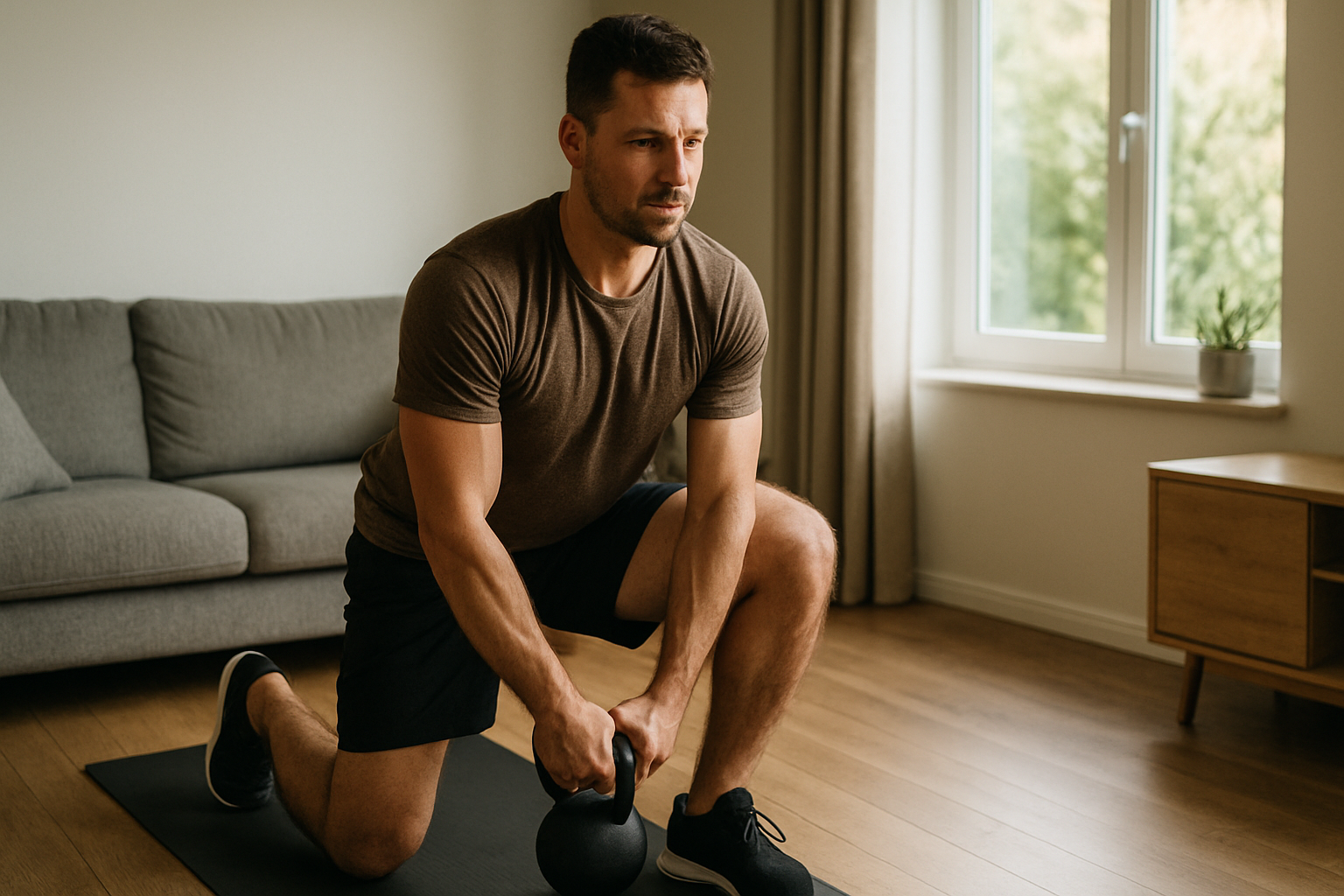
The best exercises to build leg muscle at home include squats, lunges, and step-ups, which effectively target the major muscle groups in the legs. Tools like resistance bands and body weight can enhance these exercises further.
What are the most effective bodyweight exercises for leg muscle growth?
Bodyweight exercises such as squats, lunges, and glute bridges are among the most effective for building leg muscle at home. These movements engage multiple muscle groups, including the quadriceps, hamstrings, and glutes.
- Squats: Squats target the quadriceps, hamstrings, and glutes, making them a comprehensive leg exercise. A study by the National Strength and Conditioning Association found that individuals performing squats can increase lower-body strength by 20-30% in just 8 weeks, depending on their starting fitness level.
- Lunges: Lunges are another highly effective exercise, working not only the legs but also improving balance. Performing walking lunges for 30 seconds can increase heart rate significantly, leading to better overall leg strength.
- Glute Bridges: This exercise specifically targets the glutes and hamstrings. Research indicates that glute bridges can activate the glute muscles by up to 80%, making it a key exercise for muscle building.
How can I enhance my leg workouts at home?
To enhance your leg workouts at home, consider incorporating resistance bands or dumbbells. Adding weights can increase the intensity of traditional bodyweight exercises, leading to greater muscle hypertrophy.
| Equipment | Benefits | Price Range (USD) | |--------------------|-----------------------------------------|---------------------------| | Resistance Bands | Portable, versatile resistance | $10 - $30 | | Dumbbells | Adjustable weight for progressive load | $20 - $100 | | Kettlebells | Great for dynamic movements | $30 - $150 |
Related: Best Knee Strengthening Exercises for Torn Meniscus
Using equipment like resistance bands can provide a different stimulus for the muscles. For example, banded squats can increase resistance at the top of the movement, targeting the glutes more effectively. In contrast, dumbbells allow you to progressively increase weight, which is crucial for building muscle over time.
Can I build leg muscle without weights?
Yes, you can build leg muscle without weights by focusing on high-repetition bodyweight exercises and incorporating progressive overload techniques. For instance, increasing the number of repetitions or sets can stimulate muscle growth.
To effectively build muscle, aim for a rep range of 8-15 for each exercise. For example, performing 3 sets of 12 bodyweight squats can lead to muscle adaptation over time. Alternatively, incorporating variations such as single-leg squats can also be beneficial in maintaining intensity without additional weight.
What are some common mistakes when training legs at home?
Common mistakes when training legs at home include poor form, inadequate warm-up, and neglecting recovery. Proper form is crucial to prevent injuries, especially when performing exercises like squats and lunges. Warm-ups should focus on dynamic stretches that engage the hip, knee, and ankle joints to prepare them for the workout.
Additionally, recovery is often overlooked. Muscles need time to repair and grow, so ensure adequate rest between leg workouts. A recovery period of 48 hours is generally recommended before targeting the same muscle groups again.
Related: Best Exercises for Hip Pain During Pregnancy
How can LegLike assist in building leg muscle?
LegLike provides personalized workout plans and mobility assessments to optimize leg muscle training. With its AI workout generator, you can receive tailored lower-body strength programs that adapt to your level and equipment availability. However, remember that while LegLike offers excellent guided training, it is not a substitute for professional diagnosis or treatment for injuries.
Incorporating LegLike into your routine can help track progress and adjust workouts based on performance. For instance, if you notice plateauing in strength, the app can suggest variations or increased intensity to continue progress.
Comparison of LegLike and Competitors
To help you choose the right app for your leg workout needs, here's a comparison of LegLike and other popular fitness apps:
| App Name | Pricing Structure | Best For | Special Features | |----------------|------------------------|-------------------------------------|-------------------------------------------| | LegLike | Free / $9/month / $16/month | Individuals looking for personalized leg training | AI workout generator, mobility assessments | | MyFitnessPal | Free / Premium subscription | Comprehensive fitness tracking | Food diary, community support | | Nike Training Club | Free / Premium subscription | Varied workouts including leg training | Video tutorials, guided workouts | | Fitbod | Subscription-based | Strength training with focus on muscle recovery | Adaptive workout planning |
Related: Best Exercises for Hip Pain from Running
What this costs in practice
If you plan to use LegLike for building leg muscle, here's a breakdown of typical costs:
- Free Tier: You can access 1 mobility assessment and 1 AI workout plan per month at no cost. This is suitable for beginners or those looking to try out the service.
- Pro Tier: At $9/month, you can benefit from unlimited AI workout plans, rehab plans, assessments, and progress tracking. This is ideal for those who want consistent training and support.
- Clinic Tier: At $16/month, this tier includes everything in Pro, along with multi-client management and a clinician dashboard. This is perfect for trainers or physiotherapists managing multiple clients.
For example, if you choose the Pro tier for a year, it would cost you $108. This allows you to create unlimited workout plans tailored to your leg training needs.
When NOT to pick LegLike
LegLike may not be the best choice if you are looking for a comprehensive full-body training program, as it focuses specifically on lower-body strength. Additionally, if you have a serious or unclear injury, LegLike's AI-generated programming is not a substitute for in-person diagnosis. It is recommended to consult a clinician for any issues that do not respond to self-guided plans. Furthermore, as a young product from a small team, it may lack some features found in more established clinical platforms, such as insurance billing or EHR integration.
Related: LegLike
Related: How to Build Leg Muscle at Home
Related: Bodyweight Exercises for Legs
Related: Mobility Assessments for Better Leg Workouts
Want to see how this works in practice? Try LegLike — AI-guided lower-body workouts, mobility assessment and rehab plans in one app.
Frequently asked questions
How to build leg muscle at home?+
To build leg muscle at home, focus on exercises like squats, lunges, and glute bridges using body weight or added resistance. Aim for 3-4 sets of 8-15 reps for each exercise, ensuring proper form to maximize effectiveness.
Can you build leg muscle at home?+
Yes, you can effectively build leg muscle at home using bodyweight exercises and resistance bands or dumbbells. Consistency and progressive overload are key factors in muscle growth.
How to build leg muscle fast at home?+
To build leg muscle quickly at home, focus on high-intensity workouts with compound movements like squats and deadlifts. Incorporating progressive overload by increasing reps or weights over time will also accelerate results.
What exercises help build leg muscles?+
Effective exercises for building leg muscles include squats, lunges, deadlifts, glute bridges, and step-ups. These movements target multiple muscle groups in the legs and can be modified for increased difficulty.
How to build leg muscle fast?+
Building leg muscle fast involves incorporating compound exercises, maintaining a high intensity, and ensuring a balanced nutrition plan to support muscle recovery and growth. Consider working out 3-4 times a week for optimal results.
How to build lower leg muscle at home?+
To build lower leg muscle at home, include calf raises, ankle mobility exercises, and toe raises in your routine. Aim for 3 sets of 15-20 reps for each exercise to effectively target the calf muscles.
Build your program with LegLike
Personalized lower-body strength, mobility and rehab plans, powered by AI. Free to start.
Get Started Free