How to Do a Reverse Lunge
Lunge variation that's easier on the knees.
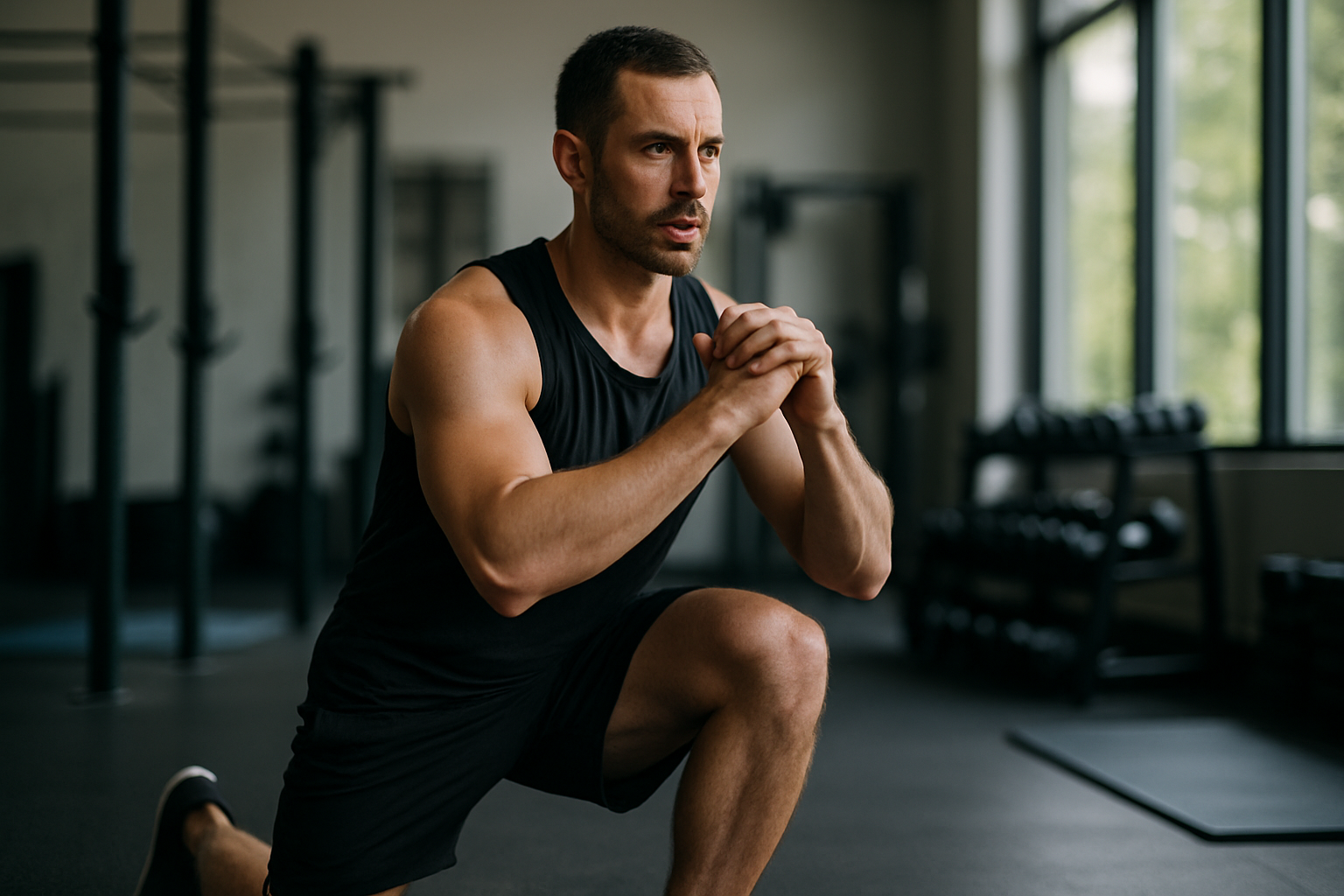
To perform a Reverse Lunge, step backward with one leg, lowering your rear knee toward the floor while keeping your front knee aligned over your ankle. Push through your front heel to return to the starting position. This variation is easier on the knees and helps build lower-body strength effectively.
How to Do It
- Start Position: Stand tall with your feet hip-width apart and arms at your sides or hands on your hips.
- Step Back: Take a step backward with your right foot, creating a wide stance.
- Lower Your Body: Bend both knees to lower your body. Your left knee should be directly above your left ankle, and your right knee should drop toward the floor but not touch it.
- Push Through: Press through your left heel to return to the starting position, bringing your right foot back to the original stance.
- Repeat: Perform the same movement with your left leg stepping back, alternating legs for each repetition.
Muscles Worked
The Reverse Lunge primarily targets the quadriceps but also engages several other muscles including:
- Gluteus maximus
- Hamstrings
- Calves
- Core muscles for stability This exercise is effective for developing lower-body strength and improving balance.
Common Mistakes
-
Mistake: Leaning forward excessively during the lunge. Fix: Keep your torso upright and engage your core to maintain stability.
-
Mistake: Allowing the front knee to extend past the toes. Fix: Ensure your knee stays aligned with your ankle by not letting it go beyond your toes during the lunge.
Related: Walking Lunge
- Mistake: Not lowering the rear knee enough. Fix: Aim to lower your rear knee close to the ground for a more effective movement, but avoid touching the floor.
Variations and Progressions
- Beginner: Perform the Reverse Lunge without weights and focus on mastering the form.
- Intermediate: Add a torso rotation at the bottom of the lunge to engage your core and improve balance.
- Advanced: Incorporate dumbbells in each hand while performing the lunge to increase resistance.
When to Avoid It / See a Clinician
If you experience any pain in your knees, hips, or lower back while performing the Reverse Lunge, it’s essential to stop immediately. This exercise may not be suitable if you have a history of joint issues or injuries. Consider consulting a clinician before continuing, especially if you have a specific injury that is not improving with self-guided rehabilitation. LegLike can provide personalized workout plans that cater to your recovery needs once cleared by a healthcare professional.
For beginners, a typical routine could be:
- Sets: 3
- Reps: 10 per leg
- Tempo: 2 seconds down, 1 second hold at the bottom, 2 seconds up. Rest for 30-60 seconds between sets.
Related: Bulgarian Split Squat
Incorporating the Reverse Lunge into your workout can enhance your lower-body strength and stability, making it a valuable addition to your fitness regime.
Want this exercise programmed into a full plan for you? Try LegLike — AI-guided lower-body workouts, mobility assessment and rehab plans.
Frequently asked questions
How often should I do Reverse Lunges?+
For beginners, aim for 2-3 times a week, allowing for rest days in between for recovery.
Can Reverse Lunges help with knee pain?+
Reverse Lunges can strengthen muscles around the knee, potentially alleviating pain, but consult a clinician if pain persists.
What should I do if I can't balance during the lunge?+
Try performing the lunge while holding onto a wall or chair for support until you build more stability.
Is there an alternative if I can't do a Reverse Lunge?+
Consider trying static lunges or step-ups as lower-impact alternatives while you build strength.
Program this exercise into a full plan
Personalized lower-body strength, mobility and rehab plans, powered by AI. Free to start.
Get Started Free