Best Way to Fix Tight Hip Flexors
Learn effective methods to address tight hip flexors, including exercises and strategies for relief and improved mobility.
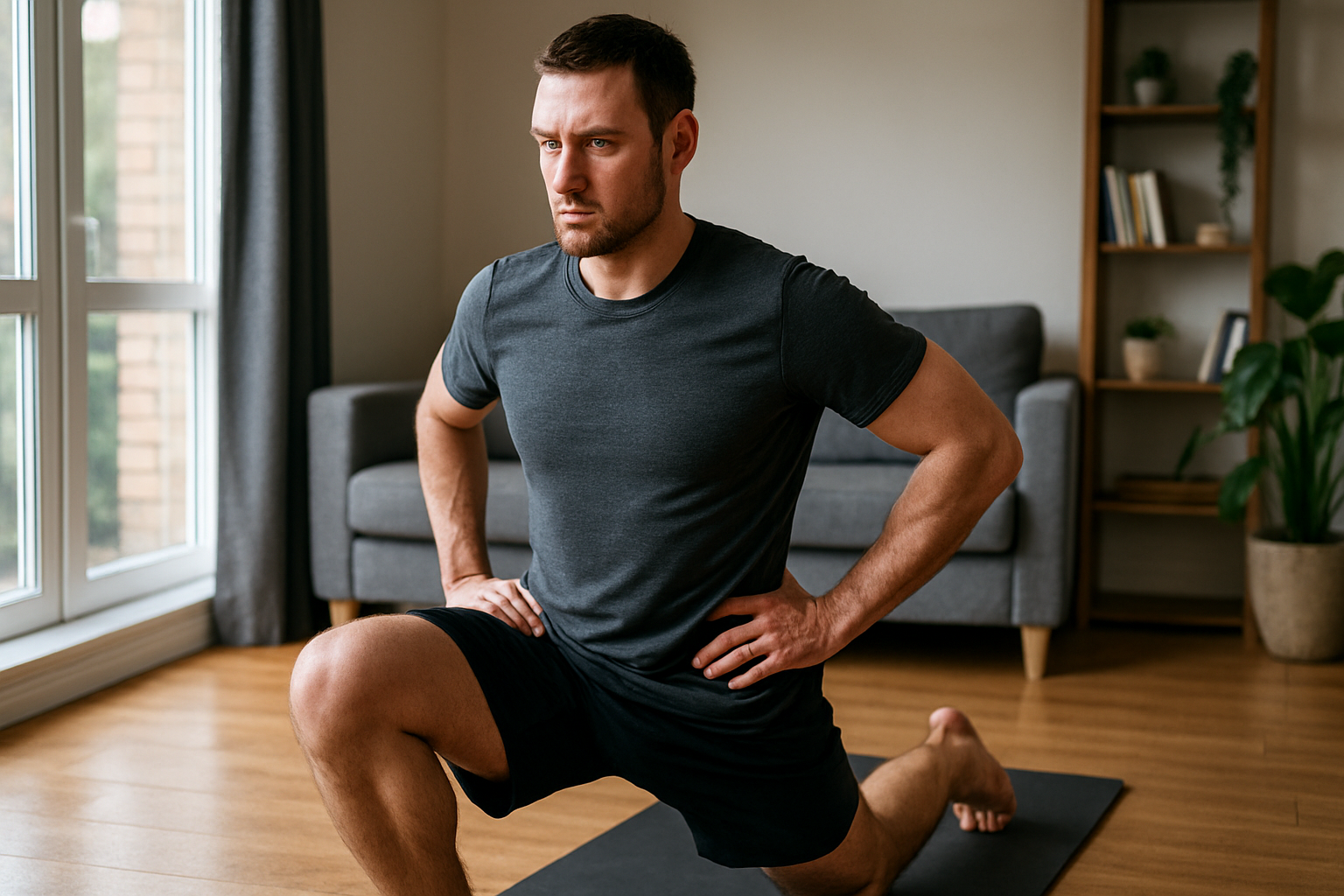
The best way to fix tight hip flexors involves a combination of targeted stretching, strengthening exercises, and mobility work. Incorporating these methods can significantly improve flexibility and function in the hips.
What are tight hip flexors and what causes them?
Tight hip flexors are a condition characterized by shortened muscles in the hip area, leading to discomfort and limited mobility. They often result from prolonged sitting, overtraining, or inadequate stretching. According to a study published in the Journal of Physical Therapy Science, nearly 60% of individuals who sit for more than six hours daily report symptoms related to tight hip flexors.
What are the best exercises to fix tight hip flexors?
To effectively address tight hip flexors, focus on a combination of stretching and strengthening exercises. Key exercises include:
- Kneeling Hip Flexor Stretch: This stretch targets the psoas and iliacus muscles. Kneel on one knee, push your hips forward, and hold for 30 seconds. Repeat on the other side.
- Bridge Exercise: This strengthens the glutes and hamstrings, which support hip function. Lie on your back with knees bent, lift your hips, and hold for 5 seconds. Perform 10-15 repetitions.
| Exercise | Type | Duration/Reps | |------------------------------|--------------|---------------------| | Kneeling Hip Flexor Stretch | Stretch | 30 seconds each side | | Glute Bridge | Strength | 10-15 repetitions | | Standing Quad Stretch | Stretch | 30 seconds each side | | Hip Thrust | Strength | 10-15 repetitions |
Related: Best Mobility Assessment Apps: A Comprehensive Comparison
How can mobility work help with tight hip flexors?
Mobility work is crucial for improving the range of motion in the hips. Incorporating functional movements, such as deep squats or leg swings, can enhance flexibility and reduce tightness. Research indicates that performing mobility drills for at least 10 minutes daily can lead to significant improvements in hip flexor flexibility, as noted in a study from The Journal of Strength and Conditioning Research.
How to strengthen weak glutes to alleviate tight hip flexors?
Weak glutes can contribute to tight hip flexors by failing to stabilize the pelvis properly. To strengthen the glutes, incorporate exercises like:
- Clamshells: Lie on your side with knees bent, lift the top knee while keeping your feet together, and hold for a few seconds. Perform 15-20 repetitions.
- Single-Leg Deadlifts: This exercise helps with balance and glute activation. Stand on one leg, hinge at the hip to lower your torso, and return to standing. Perform 10-12 repetitions on each leg.
Incorporating these exercises into your routine can improve glute strength and reduce hip flexor tightness.
What lifestyle changes can help with tight hip flexors?
Making specific lifestyle changes can significantly reduce tightness in the hip flexors. Here are some effective strategies:
- Limit prolonged sitting: Aim to stand or walk for at least 5 minutes every hour to counteract the effects of sitting.
- Incorporate regular movement: Engaging in activities like walking, cycling, or swimming can help maintain hip flexibility.
- Use ergonomic furniture: Consider investing in an ergonomic chair or desk to promote better posture and reduce hip flexor strain.
How can LegLike assist with tight hip flexors?
LegLike is an AI-guided app that provides personalized lower-body workout plans, mobility assessments, and rehab programs. With access to a library of exercises and progress tracking, LegLike can help guide your recovery and strengthen your hip flexors. For those seeking professional oversight, the Clinic plan offers multi-client management for trainers and physiotherapists.
Comparison of Fitness Apps for Hip Flexor Issues
To help you choose the best app for addressing tight hip flexors, here’s a comparison of several fitness apps:
| App Name | Pricing Structure | Best Suited For | |---------------|-----------------------------|------------------------------------------------| | LegLike | Free, $9/month (Pro), $16/month (Clinic) | Individuals needing focused lower-body programs | | MyFitnessPal | Free, Premium subscription | General fitness tracking and nutrition | | PhysiApp | Per-session pricing | Physical therapists managing client rehab plans | | ROMWOD | Monthly subscription | Flexibility and recovery enthusiasts |
Related: What is the Best Stretch for Tight Hamstrings?
What this costs in practice
For a user who engages with LegLike to address tight hip flexors, the following costs apply:
- If a user opts for the Pro plan at $9/month, they can access unlimited AI workout plans, rehab plans, and assessments. This allows for a comprehensive approach to hip flexor rehabilitation.
- If a user is part of a clinic and requires the Clinic plan at $16/month, they can manage multiple clients and track their progress, which is ideal for trainers or physiotherapists.
- For those who want to try it out, the Free plan offers 1 mobility assessment and 1 AI workout plan each month, which is a good starting point.
When NOT to pick LegLike
While LegLike offers valuable resources for addressing tight hip flexors, it may not be the best choice in certain situations. For instance, individuals with serious injuries or unclear pain should consult a healthcare professional rather than relying solely on AI-generated programming. Additionally, LegLike focuses specifically on lower-body issues and may not be suitable for those seeking a full-body fitness solution or comprehensive clinical support with insurance billing. It is also important to note that the free tier is limited to 1 assessment and 1 AI plan per month, which may not suffice for regular use.
In summary, what is the best approach to fixing tight hip flexors?
To effectively fix tight hip flexors, implement a balanced approach that includes targeted stretching, strengthening exercises, mobility work, and lifestyle adjustments. Consistency is key; aim to dedicate at least 20-30 minutes a few times a week to these practices. If discomfort persists, consult a healthcare professional for personalized guidance.
Engaging in a comprehensive program like LegLike can provide structured support for your hip flexor rehabilitation as well.
Remember, addressing tight hip flexors is not just about flexibility but also involves strengthening the surrounding muscles to maintain balance and prevent future issues.
Related: How to Get a Mobility Assessment
Related: LegLike
Want to see how this works in practice? Try LegLike — AI-guided lower-body workouts, mobility assessment and rehab plans in one app.
Frequently asked questions
How to fix tight hip flexors?+
To fix tight hip flexors, combine targeted stretches, strengthening exercises, and mobility work. Regularly perform hip flexor stretches and glute strengthening exercises.
How to fix tight hip flexors without stretching?+
Without stretching, focus on strengthening the glutes and core, which can help alleviate tightness. Exercises like bridges and clamshells can improve muscle balance.
How to fix tight hip flexors and weak glutes?+
To address both tight hip flexors and weak glutes, incorporate glute activation exercises such as hip thrusts and clamshells, alongside hip flexor stretches.
How to fix tight hip flexors from sitting?+
To relieve tight hip flexors from sitting, take regular breaks to stand and stretch. Implementing standing desks and ergonomic chairs can also help.
How to fix tight hip flexors reddit?+
Many users on Reddit recommend a combination of stretches, strengthening exercises, and mobility work. Engaging in a balanced routine can yield positive results.
How to fix tight hip flexors fast?+
For fast relief, focus on immediate hip flexor stretches and glute activation exercises. Consistency in practice is crucial for long-term results.
Build your program with LegLike
Personalized lower-body strength, mobility and rehab plans, powered by AI. Free to start.
Get Started Free